
SUMMER 2026
 As GLP-1 use expands, researchers look for answers
David Arterburn, MD, MPH, is leading research to help patients and clinicians navigate the rapidly changing GLP-1 landscape.
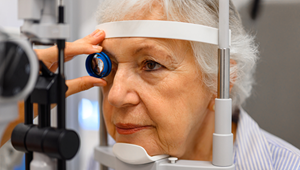 Eye changes may signal Alzheimer’s disease risk
Routine eye exams could help identify people at increased risk of Alzheimer's by assessing signs of age-related macular degeneration.
 Experts convene to advance brain aging research
The 2026 ACT Research Symposium showcased innovations and milestones, celebrating 5 years of expanded funding.
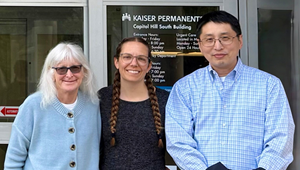 Pioneering a new approach to cervical cancer screening
How Kaiser Permanente Washington partnered with the ACT Center to make screening easier for patients and care teams.
 Welcoming LHS E-STAR Cohort 3 scholars
New E-STAR scholars will lead projects with CHAS Health, HealthPoint, and Kaiser Permanente Washington.
NEWS FROM KPWHRI'S CENTERS
 Improving diabetes outcomes in community health centers
This May, representatives from 9 community health centers across Washington gathered for the first in-person meeting of the Pathways to Better Diabetes Care Learning Collaborative — which is led by the ACT Center and the Washington Association for Community Health (WACH). Hear from Claire Allen, MPH, about how the team engaged with their health center partners to build positive energy, opportunities for connection, and enthusiasm for their ongoing quality improvement work.
 Lessons for advancing public health through local policy
For 7 years, CCHE evaluated CityHealth, an initiative of the de Beaumont Foundation and Kaiser Permanente that works with cities to advance evidence-based policies to improve community health. Drawing on lessons from work across 23 cities in the Kaiser Permanente footprint, CCHE developed a learning brief highlighting strategies for advancing local policy change, including the importance of strong relationships, local champions, and efforts tailored to community context. The brief also elevates examples of how strong policy implementation has the potential to meaningfully impact health in our nation’s largest cities. Explore the CityHealth Evaluation Learning Brief.