SONNET News March 9, 2026
Hoʻokele: Advancing diabetes equity through family, navigation, and ceremony
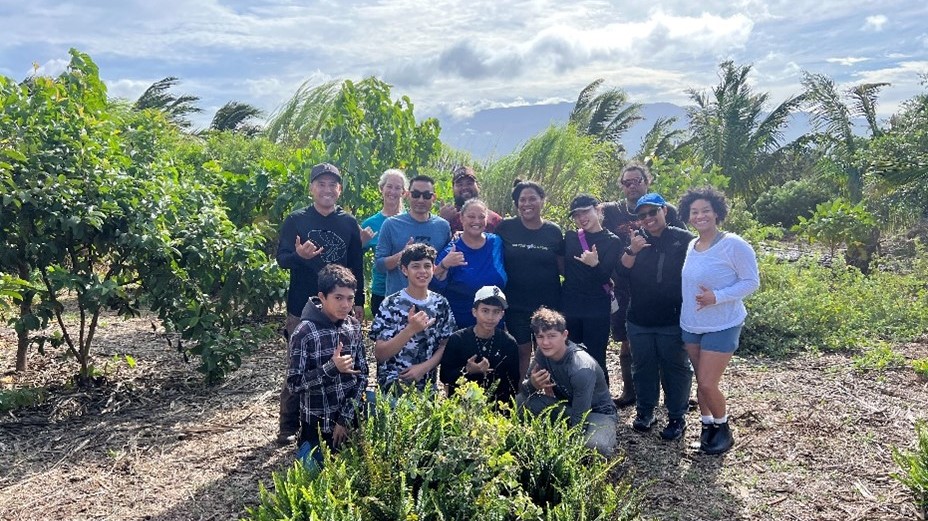
Hoʻokele research team and community partners, in a traditional medicine farm in the shadow of Haleakalā on Maui
New SONNET study combines family-based diabetes support with social care navigation
By Maile Taualiʻi, PhD, MPH, a collaborative investigator with Hawai’i Permanente Medical Group (HPMG) and member of the scientific core for Kaiser Permanente’s Social Needs Network for Evaluation and Translation (SONNET)
Diabetes disproportionately impacts Native Hawaiian and Pacific Islander (NHPI) communities, where structural inequities, unmet social needs, and historical trauma compound the burden of disease. Thanks to an $880,000 grant from the National Institute of Diabetes and Digestive and Kidney Diseases, I’m leading a new randomized pilot study with colleagues from SONNET, HPMG, and Northwell Health to address this disparity through an integrated, culturally grounded model of care. The study will evaluate the feasibility and preliminary efficacy of combining family-based diabetes self-management education and support (DSMES) with social care navigation led by community health workers (CHWs).
Known locally as Hoʻokele, meaning “to navigate,” the study is grounded in a central premise: Diabetes management does not occur in isolation. Effective chronic disease care requires attention not only to glycemic control, but also to housing stability, food access, transportation, caregiving support, and emotional stress.
Hoʻokele aligns perfectly with key objectives in Kaiser Permanente’s Social Health Practice (SHP), including expanding integration of social health into clinical settings and member touchpoints, as well as implementing and scaling initiatives that best support members with social needs. What we learn from this study will provide our SHP partners with valuable evidence on effective, culturally adapted approaches to improve diabetes management and social needs for our members in Hawai’i and nationwide.
We will recruit Kaiser Permanente Hawai’i members to participate in the study, and half will receive the study intervention: Six months of CHW case management through Hui No Ke Ola Pono (HNKOP), a trusted Native Hawaiian health organization, alongside a 6-week culturally adapted DSMES curriculum. CHWs conduct social needs assessments, connect families to services, provide weekly check-ins, and reinforce diabetes education. This family-based approach recognizes that health behaviors are relational and that sustained change is more likely when supported by ʻohana (family).
Research as ceremony
A distinguishing feature of this study is the formal inclusion of Native Hawaiian ceremony within the research protocol. Too often, biomedical research has operated in ways that extract data without honoring community, place, or relational accountability. In contrast, Hoʻokele conceptualizes research as ceremony — an act of collective intention, humility, and responsibility.
Ceremonial elements are woven into key milestones of the study. As we launch the study, all our gatherings will begin with oli (chant) and pule (prayer) to acknowledge ʻike kūpuna (ancestral knowledge), recognize the land on which activities occur, and align the research team in shared purpose. Baseline and follow-up sessions held at HNKOP are designed not merely as data collection encounters, but also as spaces of welcome, cultural affirmation, and reciprocity. Food, relationship-building, and acknowledgment of participants’ lived expertise are integral — not peripheral — to the research environment.
This ceremonial framework serves several functions. First, it restores dignity and cultural safety for participants who may carry generational mistrust of research. Second, it reframes participation as a contribution to collective wellness rather than individual experimentation. Third, it reinforces to the research team that their work is relationally bound to community outcomes.
Importantly, ceremony is not treated as symbolic add-on; it is operationalized within the study protocol. Advisory Council members — including clinicians from Kaiser Permanente and Native Hawaiian health leaders — provide oversight and guidance on culturally appropriate implementation. Community partnership is embedded across recruitment, intervention delivery, data interpretation, and dissemination.
Building toward sustainability
Hoʻokele builds upon more than 30 years of relationship development between Kaiser Permanente researchers and Native Hawaiian health organizations. Sustainability components are intentionally incorporated into the study design, including shared data review, collaborative publication, and capacity-building for CHWs. The long-term goal is not merely to test an intervention, but also to establish a scalable, culturally grounded model that health systems can adopt to reduce diabetes disparities.
At its core, this study asks a practical question: Can integrating family engagement, social care navigation, and culturally anchored practice improve diabetes outcomes among Native Hawaiian and Pacific Islander patients? But it also poses a deeper inquiry: What does it look like when research honors community knowledge, relational accountability, and ceremony?
In Hoʻokele, we are testing both.
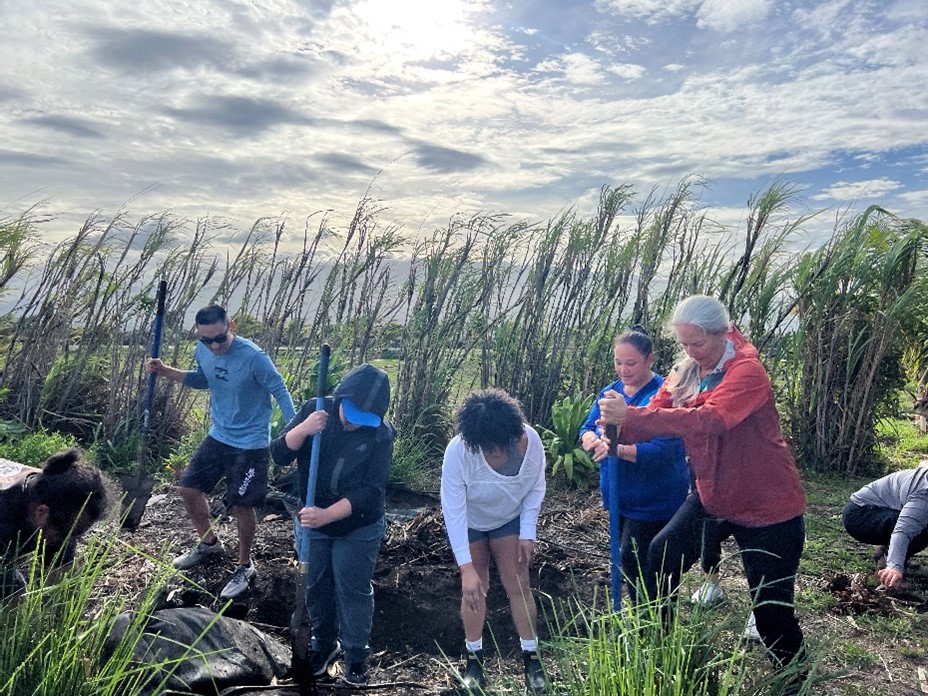 Hoʻokele team members harvest medicinal ʻolena (turmeric) at the Nohona farm, Hoʻōla. L to R: Project Manager Jonathan Lai (KP Hawai’i), Co-Investigator Stephanie Fitpatrick (Northwell Health), Co-Investigator Teaniese Davis (KP Georgia), Principal Investigator Maile Taualii (Hawai’i Permanente Medical Group), and Hālau Ola Director Patricia Mooney (Hui No KE Ola Pono).
Learn more
Related news
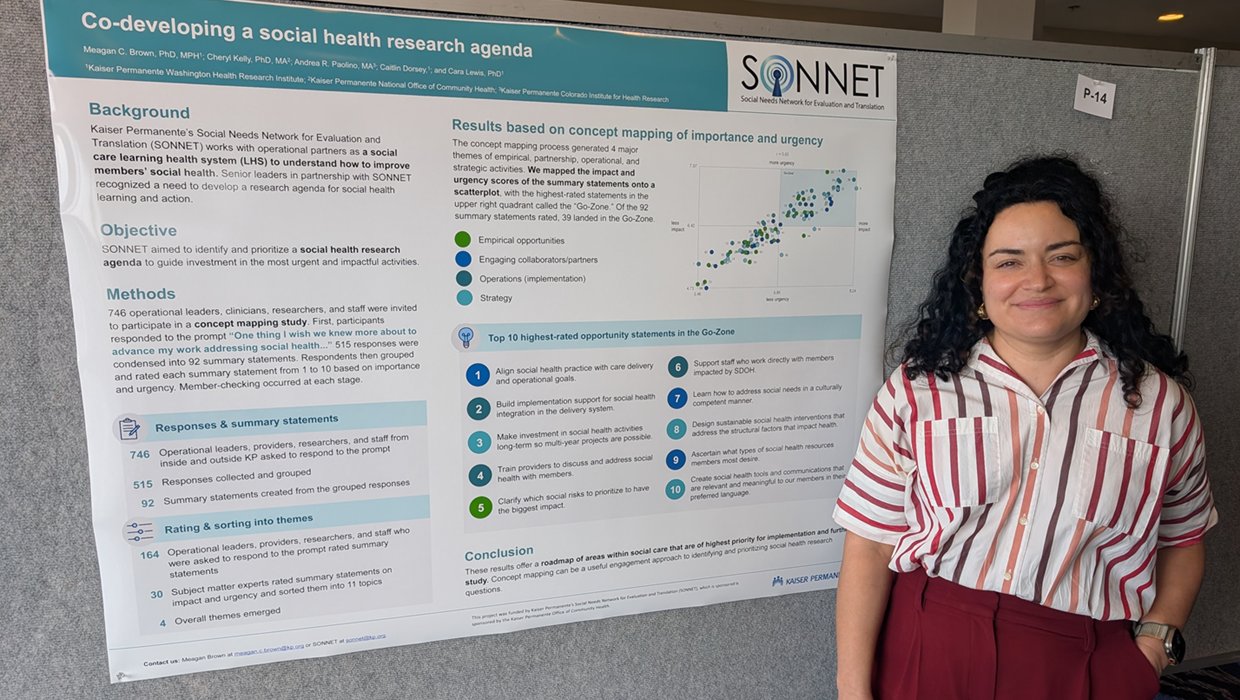
Get to know SONNET
How Kaiser Permanente's Social Needs Network for Evaluation and Translation (SONNET) leverages research capabilities to advance social health
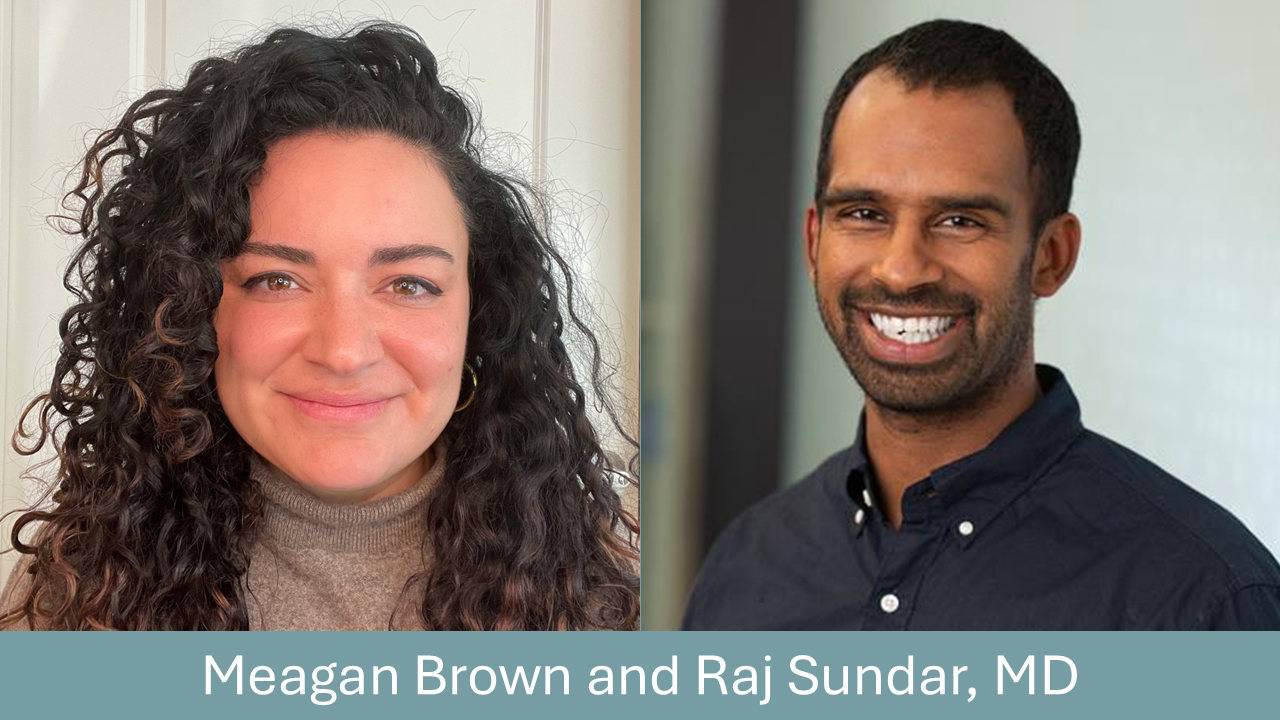
Lessening the impact of wildfires on Washington members with asthma
SONNET Director Meagan Brown co-leads wildfires-asthma project via a fellowship grant focused on climate change
Contact SONNET
Email us at sonnet@kp.org to learn more about our work or sign up for our newsletter.