Medication Use & Patient Safety
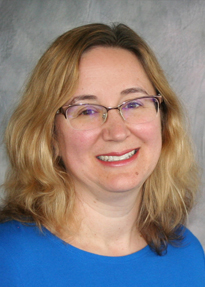
“Our work gives patients and providers evidence about the outcomes of medication use — both harmful and beneficial — to help them make informed personal decisions about prescription drug use.”
Sascha Dublin, MD, PhD
Kaiser Permanente Washington Health Research Institute Senior Investigator
Physician, Washington Permanente Medical Group, Internal Medicine
Research overview
Americans are using more prescription drugs than ever. Consequently, they’re coping with more side effects, drug interactions, and costs, especially if they’re using multiple medications. Kaiser Permanente Washington Health Research Institute (KPWHRI) scientists are on the forefront of answering questions about these concerns. We’re studying the beneficial and harmful effects of medications in real-world settings, and innovating better ways to manage and monitor drug use.
The institute contributes to national initiatives to monitor medication safety as well as providing information to help doctors and patients weigh the risks and benefits of various prescription drugs.
Funders of KPWHRI medication use and patient safety research include the Centers for Disease Control and Prevention, the U.S. Food and Drug Administration, the National Institutes of Health, the Patient-Centered Outcomes Research Institute, and other sources. A few projects include:
- Studying whether commonly used medications, including oral contraceptives, are associated with the risk of developing COVID-19 infection or severe disease
- Exploring patient and clinical risk factors for opioid misuse, abuse, and addiction
- Evaluating an intervention for patients taking long-term high-dose opioids to successfully taper their use without negatively impacting pain management and quality of life
- Proactive monitoring of medical products through the FDA Sentinel Initiative
- Studying medication safety for pregnant people and older adults
- Monitoring vaccine safety and effectiveness
- Investigating how medications affect risk of cognitive decline and dementia in late life
- Reaching out to inform patients and providers about the risks of, and alternatives to, commonly used medications that may contribute to falls, including over-the-counter antihistamines
Recent publications on Medication Use & Patient Safety
Weisner C, Campbell CI, Altschuler A, Yarborough BJH, Lapham GT, Binswanger IA, Hechter RC, Ahmedani BK, Haller IV, Sterling SA, McCarty D, Satre DD, Kline-Simon AH Factors associated with Healthcare Effectiveness Data and Information Set (HEDIS) alcohol and other drug measure performance in 2014-2015 2019 Jan;40(3):318-327. doi: 10.1080/08897077.2018.1545728. Epub 2019-01-24. PubMed
Von Korff M, Saunders K, Dublin S, Walker RL, Thakral M, Sherman KJ, Ludman EJ, Hansen RN, Parchman M, Shortreed SM Impact of Chronic Opioid Therapy Risk Reduction Initiatives on Opioid Overdose 2019 Jan;20(1):108-117. doi: 10.1016/j.jpain.2018.08.003. Epub 2018-09-03. PubMed
Figueroa Gray M, Hsu C, Kiel L, Dublin S Getting through the day: a pilot qualitative study of U.S. women's experiences making decisions about anti-nausea medication during pregnancy 2018 Dec 4;18(1):475. doi: 10.1186/s12884-018-2093-6. Epub 2018-12-04. PubMed
Gray SL, Marcum ZA, Schmader KE, Hanlon JT. Update on medication use quality and safety in older adults, 2017. J Am Geriatr Soc. 2018 Nov 13. doi: 10.1111/jgs.15665. [Epub ahead of print]. PubMed
Owens MD, Chen JA, Simpson TL, Timko C, Williams EC. Barriers to addiction treatment among formerly incarcerated adults with substance use disorders. Addict Sci Clin Pract. 2018;13(1):19. doi: 10.1186/s13722-018-0120-6. PubMed
Researchers in Medication Use & Patient Safety
 David E. Arterburn, MD, MPHSenior Investigator |
 Jennifer F. Bobb, PhDSenior Biostatistics Investigator |
 Jessica Chubak, PhDSenior Investigator |
 Andrea J. Cook, PhDSenior Biostatistics Investigator |
 Maricela Cruz, PhDAssociate Biostatistics Investigator |
 Sascha Dublin, MD, PhDSenior Investigator |
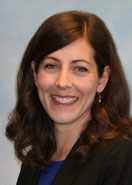 Laura Harrington, PhD, MPHAssociate Investigator |
 Noorie Hyun, PhDAssociate Biostatistics Investigator |
 Lisa A. Jackson, MD, MPHSenior Investigator |
 Rita Mangione-Smith, MD, MPHExecutive Director and Senior Investigator, KPWHRI; Vice President for Research and Health Care Innovation, Kaiser Permanente Washington |
 Jess Mogk, MPHCollaborative Scientist |
 Jennifer C. Nelson, PhDDirector, Biostatistics; Senior Investigator |
 Gaia Pocobelli, PhDSenior Collaborative Scientist |
 Susan M. Shortreed, PhDSenior Biostatistics Investigator |
 Rod L. Walker, MSPrincipal Collaborative Biostatistician |
 Paige D. Wartko, PhD, MPHSenior Collaborative Scientist |
 Robert D. Wellman, MSPrincipal Collaborative Biostatistician |
 Karen Wernli, PhDSenior Investigator |
 Brian D. Williamson, PhDAssociate Biostatistics Investigator |
 Onchee Yu, MSPrincipal Collaborative Biostatistician |
 Weiwei Zhu, MSPrincipal Collaborative Biostatistician |
Affiliate researchers
Susan Heckbert, MD, PhD
University of Washington (UW) Department of Epidemiology; UW Cardiovascular Health Research Unit
David Siscovick, MD, MPH
UW Department of Medicine; UW Department of Epidemiology; UW Cardiovascular Health Research Unit
Leslie Spangler, PhD
Amgen

New funding

KPWHRI awarded funding to study antinausea drugs in pregnancy
Findings will help pregnant people make informed treatment decisions.
Research roundup
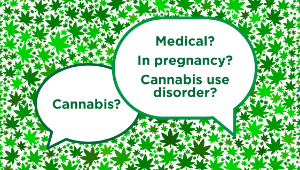
What's new in cannabis use research?
Use in pregnancy and screening in primary care studied by KPWHRI’s Kiel, Matson, and Lapham.
Research

IUD perforation: Rare but important to know about
New study results in more precise language in the federally mandated warning about this possibility.
Research

New findings on treating hypertension in pregnancy
A study led by Dr. Sascha Dublin finds similar outcomes for 3 hypertension medications, filling an evidence gap.
COVID-19 treatments

New report supports value of COVID-19 drugs
A team led by KPWHRI's Kai Yeung, PharmD, PhD, reviewed trial results for cost-effectiveness of 3 treatments.
Prescription overload

Deprescribing: Less may be more
Dr. Sascha Dublin explains why sometimes not taking medications may be a safer and healthier choice.
Electronic health records
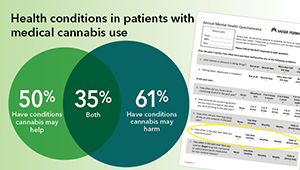
EHR study offers insights on medical cannabis use
New research examines providers’ notes to understand patients’ cannabis use and health conditions.
Research

HEAL responds to double crisis: Opioids and COVID-19
Health care is increasingly online—KPWHRI is studying telehealth options for opioid use disorder and chronic pain.
research

Medication in pregnancy: Better data for healthier kids
Researchers need much bigger data sets to find outcomes that matter, Dr. Sascha Dublin and colleagues write in Pediatrics.
profile

What inspires Sascha Dublin’s maternal health research?
Evidence from Dr. Dublin’s work helps patients and doctors make the best care choices in pregnancy.
drug safety

FDA to expand drug-safety monitoring capacity
New funding will establish an innovation center, to be led by Harvard Pilgrim in partnership with KPWHRI and others.
medication safety

Using phentermine for weight loss longer term found to be safe, effective
Dr. David Arterburn discusses reassuring news from his PCORnet study of the most widely used anti-obesity drug in the United States.